







Search Results for: foot skin coffee

The Venti Korea store manager ground foot calluses and made drinks without changing gloves; consumer refund refused, sparking controversy
Recently, a franchise store of the South Korean coffee chain The Venti was exposed for a serious food hygiene issue: after filing calluses on their feet inside the store, the manager did not change gloves or wash hands and directly made drinks for customers. After witnessing the entire process, the consumer took photos as evidence and called the head office to demand a refund, but was refused. The incident quickly spread online, sparking widespread attention and heated discussion. The Venti subsequently issued a formal apology on its official website and promised to strengthen hygiene training. This "foot callus coffee" incident not only made consumers feel uncomfortable, but also triggered deep public reflection on hygiene management in the food and beverage industry. [more…]
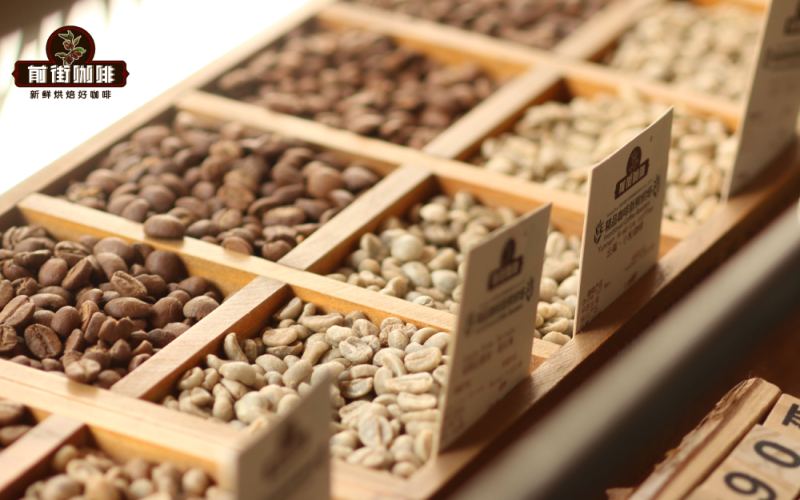
Coffee Processing Methods | Wet-Hulled, Semi-Washed, Honey Process, Pulped Natural — Detailed Steps, Flavor and Mouthfeel Comparison of Coffee Beans
We all know that different processing methods can give coffee a rich and varied flavor profile. For example, Front Street Coffee's bean list alone features dozens of varieties, covering more than ten different processing methods. Today, Front Street will focus specifically on wet-hulled, semi-washed, and pulped natural [more…]
An Analysis of the Wet-Hulled Process for Mandheling Coffee: Causes of Green Bean Appearance, Flavor Characteristics, and a Brewing Guide for Golden Mandheling
Mandheling is a single-origin coffee cherished by many coffee enthusiasts, but the appearance of its green beans often raises doubts—emerald green and plump, yet frequently blemished. Behind this is actually the unique wet-hulling process of Sumatra, Indonesia, at work. This article will guide you through the principles of wet-hulling, how it shapes Mandheling's signature rich flavor, and why goat-hoof beans and scratched beans become "by-products" of this processing method. At the same time, we will also share the brewing flavor performance of Golden Mandheling and recommend related products from Front Street Coffee to help you better understand and select this distinctive coffee. [more…]
Tanzanian Coffee Regions, Flavors, and Grading System: An Analysis of the Cup Profile of Specialty Coffee Beans at the Foot of Mount Kilimanjaro
Tanzania is located in East Africa, and its core coffee-producing region sits at the foot of Mount Kilimanjaro, the highest peak in Africa. Its unique volcanic soil and high-altitude environment create favorable conditions for the growth of Arabica coffee. Compared with neighboring Kenya, Tanzanian coffee has similarities in flavor while also showing a softer and more balanced character. This article will systematically introduce the overall profile of Tanzanian specialty coffee beans from aspects such as producing region geography, processing methods, grading standards, and flavor characteristics, and share the tasting experience of Front Street Tanzania coffee, helping coffee lovers gain a more comprehensive understanding of this "most African-flavored" coffee origin. [more…]
Comparison of Semi-Washed and Wet-Hulled Processing: An Analysis of Flavor and Mouthfeel Differences Between Brazilian Coffee and Indonesian Mandheling
The coffee processing method directly affects the flavor in the cup. Semi-washed and wet-hulled methods represent the classic processing techniques of Brazil and Sumatra, Indonesia, respectively. The semi-washed method combines characteristics of both washed and natural processing, yielding a balanced flavor but slightly weaker intensity; the wet-hulled method, centered on shortening drying time, brings a rich, full-bodied, unique aroma interwoven with herbs and caramel, yet also makes green beans more susceptible to damage. In this article, Front Street Coffee will systematically compare the operational procedures and flavor expressions of the two processing methods, from bean selection, demucilaging, and sun-drying to hulling, helping coffee enthusiasts understand the essential differences between Brazilian semi-washed and Indonesian Mandheling wet-hulled coffee. [more…]
A Comprehensive Analysis of the Naming Origins of Mandheling Coffee, Key Points for Hand-Brewing Practice, and the Quality Characteristics of PWN Golden Mandheling
Mandheling coffee, with its rich, full-bodied and low-acidity profile, has become the top choice for many consumers who dislike sour coffee. But where does the name Mandheling come from? And what exactly is the difference between Golden Mandheling and regular Mandheling? This article will start with a historical anecdote from World War II, trace the origin of the name Mandheling and its connection to Indonesia's PWN company, take a deep dive into Indonesia's unique wet-hulling process and the formation of peaberry beans, and explain in detail PWN Golden Mandheling's strict screening standards. At the same time, Front Street Coffee will share its medium-dark roasting approach for Golden Mandheling and KONO dripper pour-over parameters, helping readers fully understand the flavor secrets of this classic coffee. [more…]
Tanzanian Kilimanjaro Coffee: A Washed Process Analysis of Woody Aroma and Soft, Balanced Flavor
Tanzanian Kilimanjaro coffee is often compared with Kenyan beans; the two have a similar flavor profile, but Tanzanian coffee is generally smoother and softer, standing out for its balance. This article focuses on Front Street Coffee's Tanzanian Kilimanjaro washed beans, outlining the terroir of its producing region, its grading system, the washed processing flow, and the flavor differences under two brewing methods: pour-over and siphon. The high altitude and volcanic soil at the foot of Mount Kilimanjaro provide superior growing conditions for Bourbon coffee. After medium roasting, this bean shows medium-low acidity and sweetness, a dark chocolate finish, and woody aroma, making it more suitable for people who are just getting into coffee. [more…]
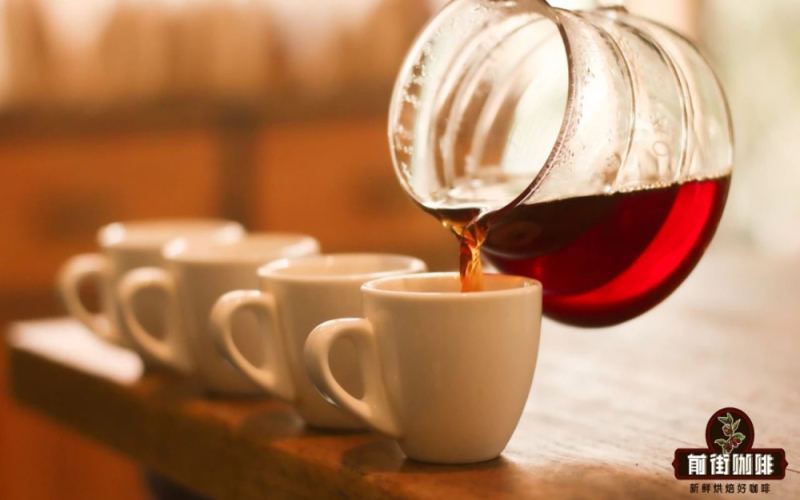
Analysis of the Differences Between Mandheling and Blue Mountain Coffee Bean Varieties: From Origin and Processing Methods to a Cupping and Pour-Over Flavor Comparison
Mandheling and Blue Mountain are often regarded as the two leading representatives of full-bodied coffee, yet the two differ significantly in their regional terroir, varietal selection, green bean standards, and processing methods. Blue Mountain coffee comes from Jamaica's Blue Mountain region, is wet-processed, and consists mainly of the Typica variety, giving it a balanced and delicate flavor; Golden Mandheling, by contrast, originates from Sumatra, Indonesia, is processed using the wet-hulling method, and is rich, intense, and layered. Drawing on the cupping and pour-over practices of Front Street Coffee (FrontStreet Coffee), this article systematically sorts through the geographical backgrounds, processing methods, green bean characteristics, and brewing performance of these two coffees, helping coffee enthusiasts clearly distinguish the stylistic divide between them. [more…]
Comprehensive Comparison of Mandheling Coffee and Blue Mountain Coffee: Analysis of Origin, Processing Methods, Green Bean Characteristics, and Pour-Over Flavor Differences
Mandheling and Blue Mountain are often regarded as the two great representatives of full-bodied coffee, but their styles diverge sharply—the former is intense and aromatic, the latter balanced and sweet. From the perspective of Front Street Coffee, this article systematically sorts out the specific differences between Jamaican Blue Mountain and Indonesian Golden Mandheling in terms of geographical terroir, processing methods, green bean appearance, and cupping flavors. Blue Mountain comes from the high-altitude volcanic soil of a Caribbean island and uses the washed process; Golden Mandheling comes from Sumatra, where the wet-hulled method gives it its unique character. The article also includes Front Street Coffee's pour-over comparison parameters and flavor notes to help coffee enthusiasts more clearly understand the essential differences between these two classic coffees. [more…]
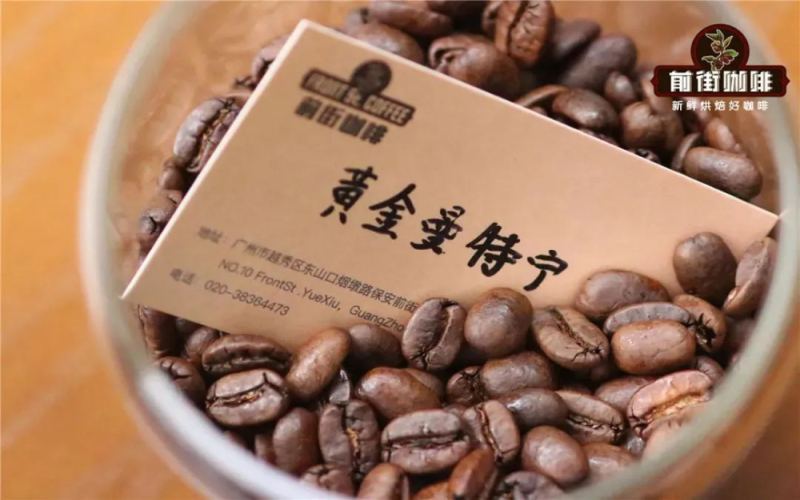
Why is Indonesian Mandheling coffee processed using the wet-hulling method? An analysis of the dual factors of climate and history
Mandheling coffee is famous for its rich, full-bodied, and aromatic character, and behind its unique flavor lies a crucial processing method: wet hulling. Why is wet hulling so widely used in Indonesia? This is closely tied both to the local hot, rainy tropical rainforest climate and to the profound influence of the coffee industry's history during the Dutch colonial period. This article will provide a detailed analysis of the reasons behind the birth of wet hulling, its specific process, its drawbacks, and the flavor performance of two Front Street Coffee Mandheling offerings, while also introducing the strict quality control and trademark background of PWN Golden Mandheling. [more…]
Tanzanian Kilimanjaro Coffee: A Full Analysis of Typica Variety, AA Grade, and Washed Processing Flavors
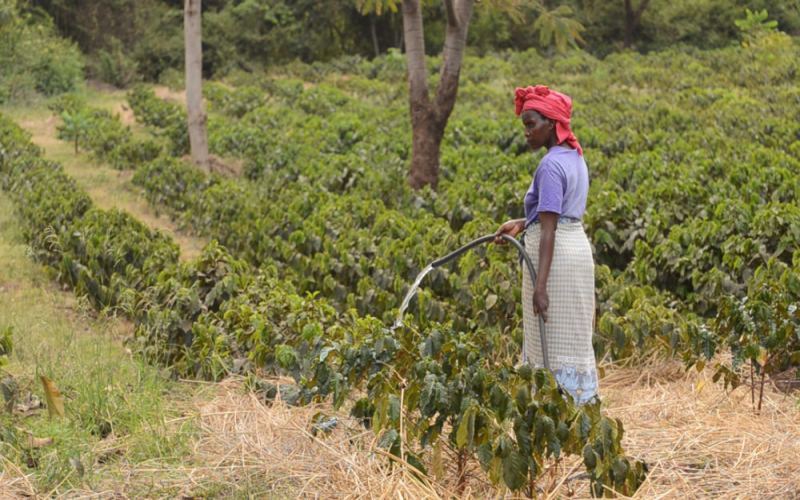
In the African coffee landscape, Tanzania, though less renowned than Ethiopia and Kenya, produces high-quality coffee with a delicate texture and soft acidity, thanks to the volcanic soil and high-altitude climate at the foot of Mount Kilimanjaro. This time, Front Street Coffee evaluates the Kilimanjaro AA, a Typica variety processed with the washed method, offering citrus, berry, and tea notes on the palate, along with honeyed sweetness. This article will guide you through the background of Tanzania's coffee-producing regions, variety characteristics, grading system, as well as Front Street's roasting curve and brewing parameters, providing a comprehensive interpretation of this "most African-characteristic" coffee. [more…]
Tanzania Kilimanjaro AA Coffee Beans Pour-Over Guide: Typica Variety Flavor and Brewing Parameters Explained
Although Tanzania is not among the most famous coffee-producing countries in Africa, the quality of its coffee is often impressive. Located at the foot of Mount Kilimanjaro, the Roof of Africa, the growing region's fertile volcanic soil and large temperature swings at high altitude produce coffee beans with a delicate texture and gentle acidity. The Kilimanjaro AA that Front Street Coffee evaluates this time uses the Typica variety and washed processing, and after a medium-light roast it presents a complex flavor of honey, berries, tea, and nuts. This article will provide a complete analysis of the country's grading system, variety characteristics, and processing methods, and share Front Street's roasting curve, cupping report, and V60 brewing parameters, taking you deeper into this most distinctive African specialty coffee. [more…]
The South American Hermit: A Comprehensive Analysis of Peruvian Coffee Regions, Varieties, and Flavor Profiles
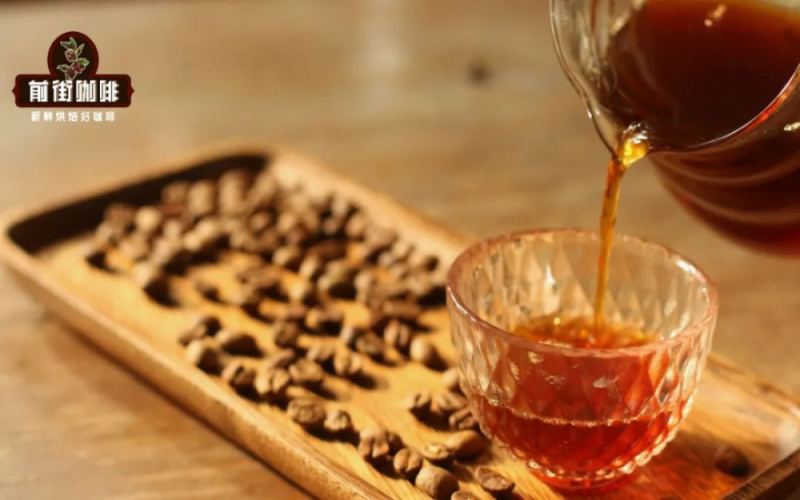
In the coffee landscape of South America, Peru has long played a low-key supporting role, often used in blends to stabilize body. But this country at the foot of the Andes actually possesses exceptional organic growing conditions and resources of ancient varieties. From Cajamarca to Cusco, from Typica to Caturra, Peruvian coffee is regaining international attention with its soft, delicate acidity and balanced mouthfeel. This article will outline the history of coffee cultivation in Peru, the characteristics of its three major producing regions, changes in production, grading standards, and processing methods, giving you a complete understanding of this overlooked gem of South American coffee. [more…]
A Comprehensive Guide to Tanzanian Kilimanjaro Coffee: Typica Variety, Washed Processing, and AA-Grade Flavor Characteristics
Kilimanjaro coffee originates from the northern highlands at the foot of Africa's highest peak, Mount Kilimanjaro, and is one of Tanzania's most iconic coffees. This article will provide a comprehensive interpretation of this coffee's unique charm, covering the terroir of the producing region, the characteristics of the Typica variety, the washed processing method, the AA grade classification standard, and Front Street Coffee's roasting curve, cupping report, and brewing parameters. Kilimanjaro coffee is renowned for its delicate texture, soft acidity, and citrus and berry aromas, and is hailed as the coffee with the most distinctive African character. Whether you want to learn about Tanzania's coffee-producing regions or are looking for an elegant flavor suited to a variety of extraction methods, this article can provide you with detailed reference. [more…]
Aceh Tiger Mandheling Coffee Beans: A Comprehensive Analysis of Wet-Hulling Process, Green Bean Characteristics, and Roasting & Brewing
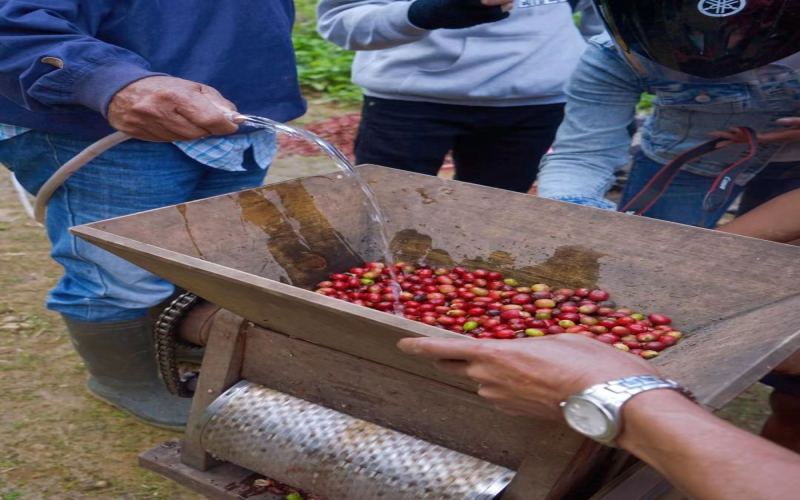
Tiger Mandheling is a classic coffee produced in Aceh Province, Sumatra, Indonesia, processed using the wet-hulling method, with a full-bodied, intense flavor and a distinctive character. This article will walk you through the growing background of the Aceh production region, the specific process and reasons behind the wet-hulling method, the green bean varietal composition of Tiger Mandheling, and Front Street Coffee's roasting approach and brewing parameters. From volcanic soil to the causes of peaberry beans, from the dehydration stage to first crack development, it presents the complete story of this bean, making it suitable reading for coffee enthusiasts who want to understand Mandheling in depth. [more…]
A Complete Guide to Coffee Fruit Processing: From Natural and Washed to Anaerobic Fermentation — The Main Processing Methods
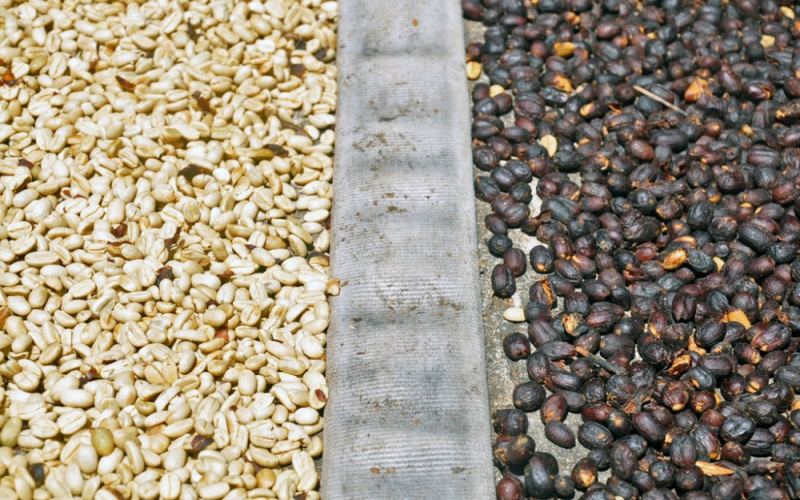
The flavor of a cup of coffee depends not only on the terroir and variety of its origin, but also on how the green beans are processed—an equally critical variable. Coffee beans from the same growing region can present entirely different profiles—clean and refreshing, or rich and sweet—simply because of a different processing method. This article systematically reviews common processing techniques such as natural, washed, honey, wet-hulled, and anaerobic fermentation, and, in conjunction with the beans offered by Front Street Coffee, explains the procedural characteristics and flavor tendencies of each method, helping coffee lovers understand how processing shapes the flavor in the cup. [more…]
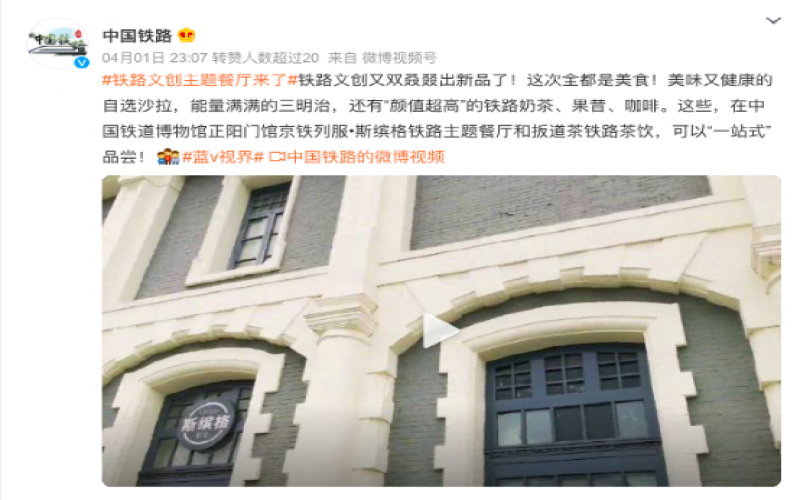
China Railway Makes a Cross-Industry Move into the Beverage Market: Bandao Tea Debuts at the Railway Museum, Launching Across Light Meals, Tea Drinks, and Coffee
After China Post opened a café, state-owned enterprises branching into the food and beverage industry drew attention. China Railway has also joined this trend, launching a railway cultural and creative themed restaurant at the Zhengyangmen branch of the China Railway Museum, covering healthy light meals and beverages. The beverage brand is named "Bendao Tea," featuring railway-themed decor and freshly made tea, juice, and coffee, priced at 12 to 32 yuan. However, consumers have reported that the drinks are too sweet and lack personalized customization options, and the store's location is rather remote with a hard-to-pronounce name, resulting in limited foot traffic. Previously, high-speed rail milk tea was criticized and trended on social media over price and taste issues, and high-speed rail coffee was also launched the same month. Unlike China Post's step-by-step approach with milk tea and coffee, China Railway is pursuing multiple tracks simultaneously—ambitious, but facing no small challenge. [more…]
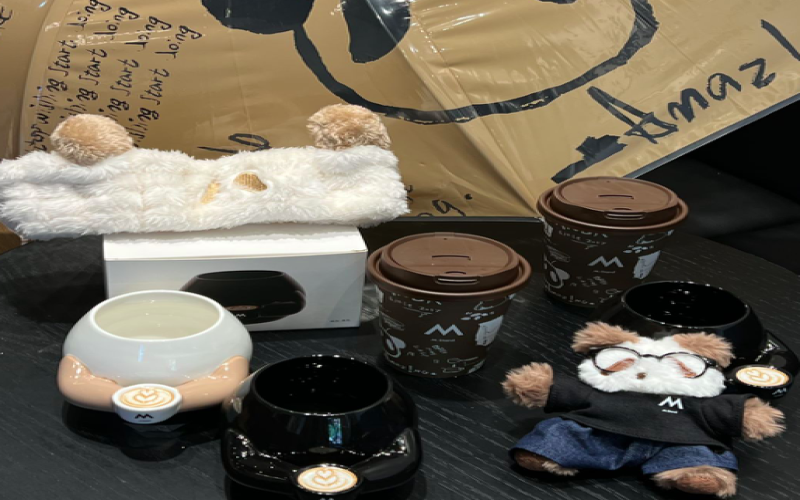
Mstand's panda collaboration cup gets mocked for its design flop, with netizens questioning whether the creativity was plagiarized.
Mstand has collaborated with streetwear brand AMAZING PANDA to launch a bamboo latte and panda-themed limited-edition merchandise, among which a "Panda Hug Cup" has sparked heated discussion due to its design. Many consumers said after receiving the actual product that it differs noticeably from the promotional images, with the all-black version described as looking like a "black-skinned muscular man," while the light-colored version was jokingly said to look like "feet holding up a cup." Besides the appearance controversy, practical complaints were also frequently mentioned, such as the arms on the cup being positioned too low and hard to grip, and the cup opening being too small, which is unfriendly to latte art beginners. At the same time, a cup enthusiast posted a handmade ceramic cup from another online shop, suspecting it was the inspiration source for Mstand's collaborative design, triggering discussion about "creative plagiarism." Fans, however, believe the details of the two cups are clearly different, and given that Mstand's previous "vegetable basket" woven bag also had precedent of borrowing from luxury brands, it can only be considered similar creativity. [more…]
A Complete Guide to Coffee Bean Processing Methods: Flavor Differences from Natural and Washed to Wet-Hulled, Honey, and Anaerobic Fermentation
Where exactly does the flavor of a cup of coffee come from? Beyond the climate of the origin and the variety, the processing method of the coffee beans is also a key variable that shapes the flavor in the cup. From the most common natural and washed processes, to Costa Rica's distinctive honey process, Indonesia's unique wet-hulled method, and the anaerobic fermentation that has been favored in competitions in recent years, each technique quietly reshapes the sweetness, acidity, and body of the coffee. This article will use specific beans such as Yirgacheffe, Mandheling, and the Costa Rica Musician Series as examples to outline the process flow and flavor direction of mainstream processing methods, helping coffee lovers understand the taste differences brought by different processing methods from the same origin, and also explaining the risks and limitations of each processing method. [more…]
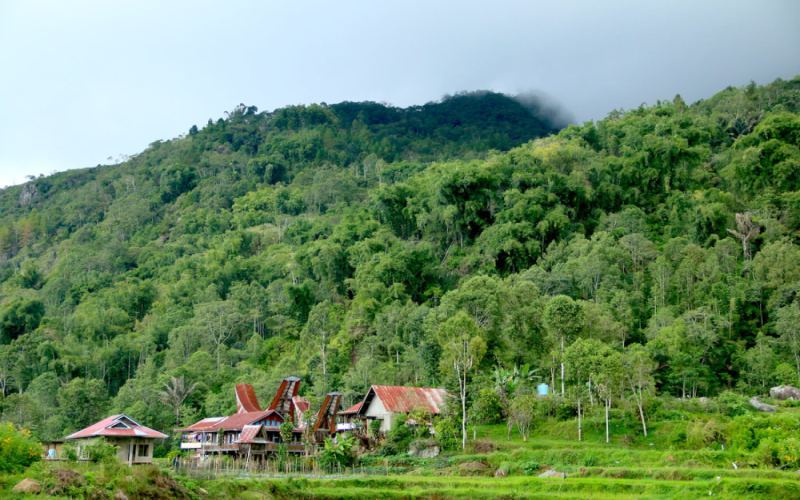
Indonesian Sumatra Mandheling Coffee Flavor Analysis: Three Major Producing Regions' Characteristics, Wet-Hulling Method, and a Comparison of Front Street Coffee's Four Mandheling Varieties
Sumatra is one of Indonesia's largest islands, and its local coffee is known for low acidity, high intensity, and a grassy aroma, with Mandheling being the quintessential example. Starting from the cultivation records of Sumatra, this article sorts out the terroir characteristics of three major producing regions—Aceh Gayo, Lintong, and Mangkuraja—offers an in-depth interpretation of how the wet-hulling process shapes Mandheling's uniquely full-bodied mouthfeel and herbal notes, and compares the differences among four common products: Front Street Lintong Mandheling, Golden Mandheling, Aged Mandheling, and Tiger Mandheling. The article also includes the producing-region information and brewing parameters for Front Street PWN Golden Mandheling, providing coffee enthusiasts with a complete reference from origin to cup. [more…]